Montcelard unique in its history
Birth of the Estate
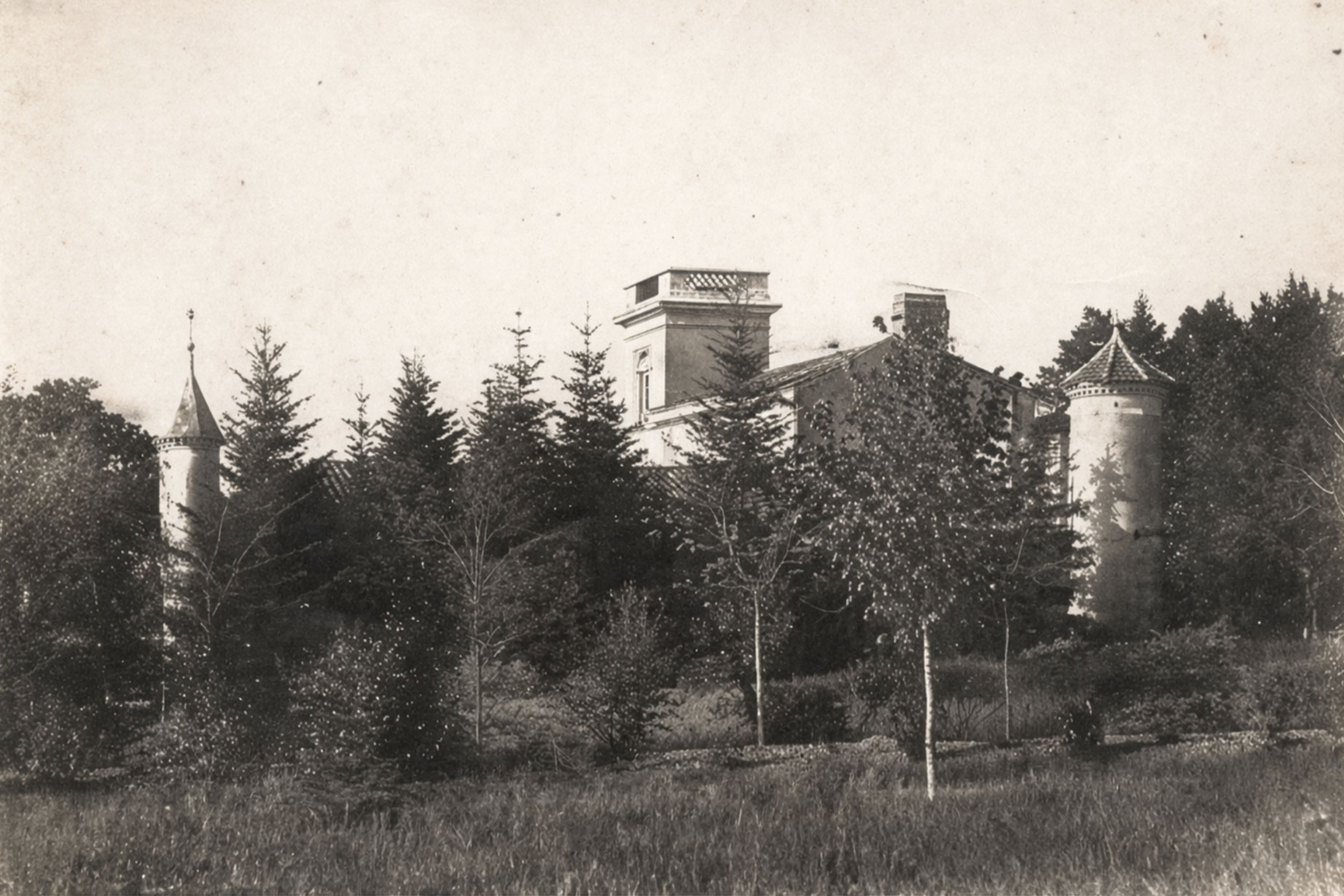
The history of the Montcelard estate dates back to 1682, with the acquisition of the site by Claude Guérin. He had a fortified house built there, known as "Château Guérin," marking the birth of the estate.
Paul Desgrand's Mansion
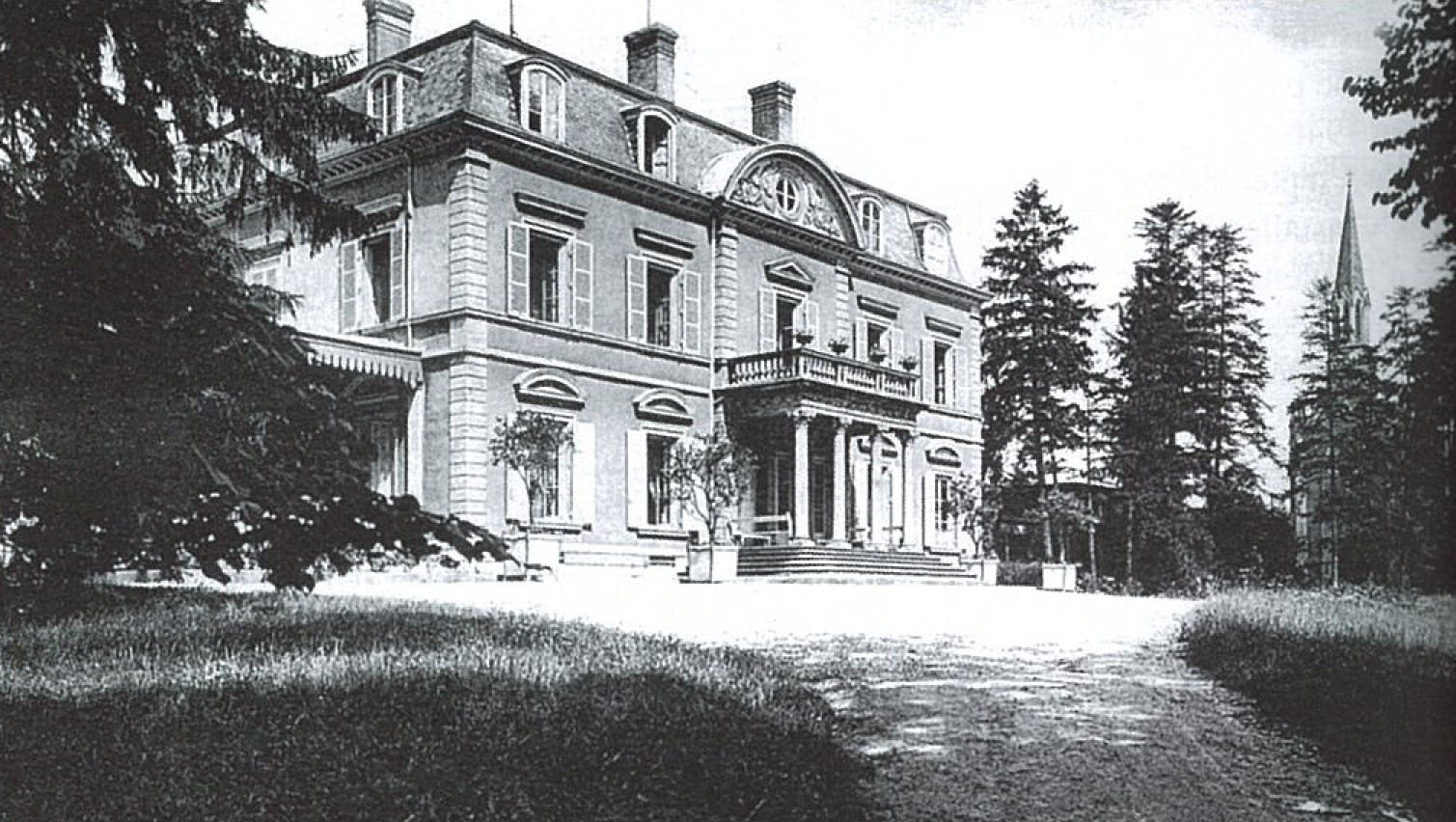
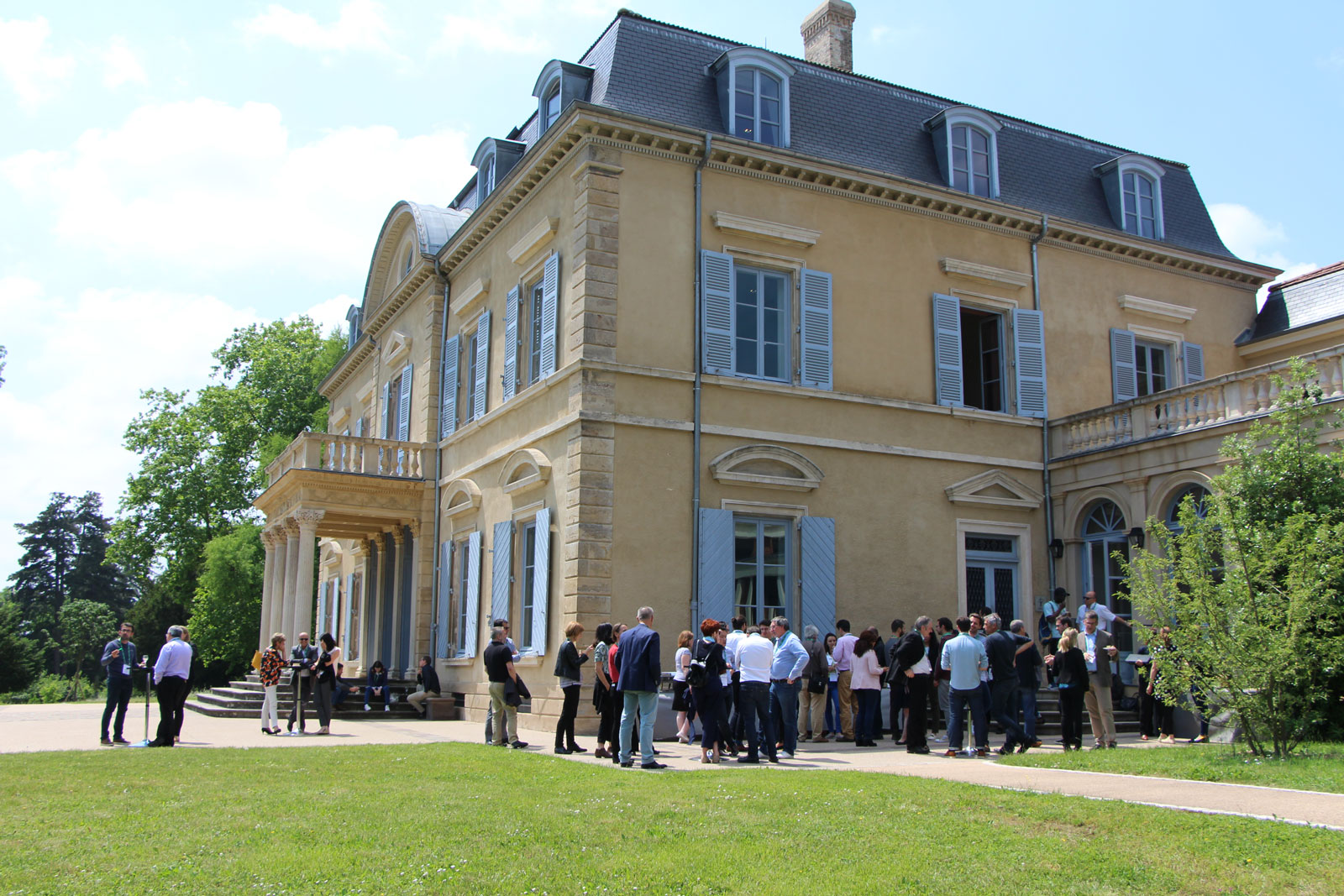
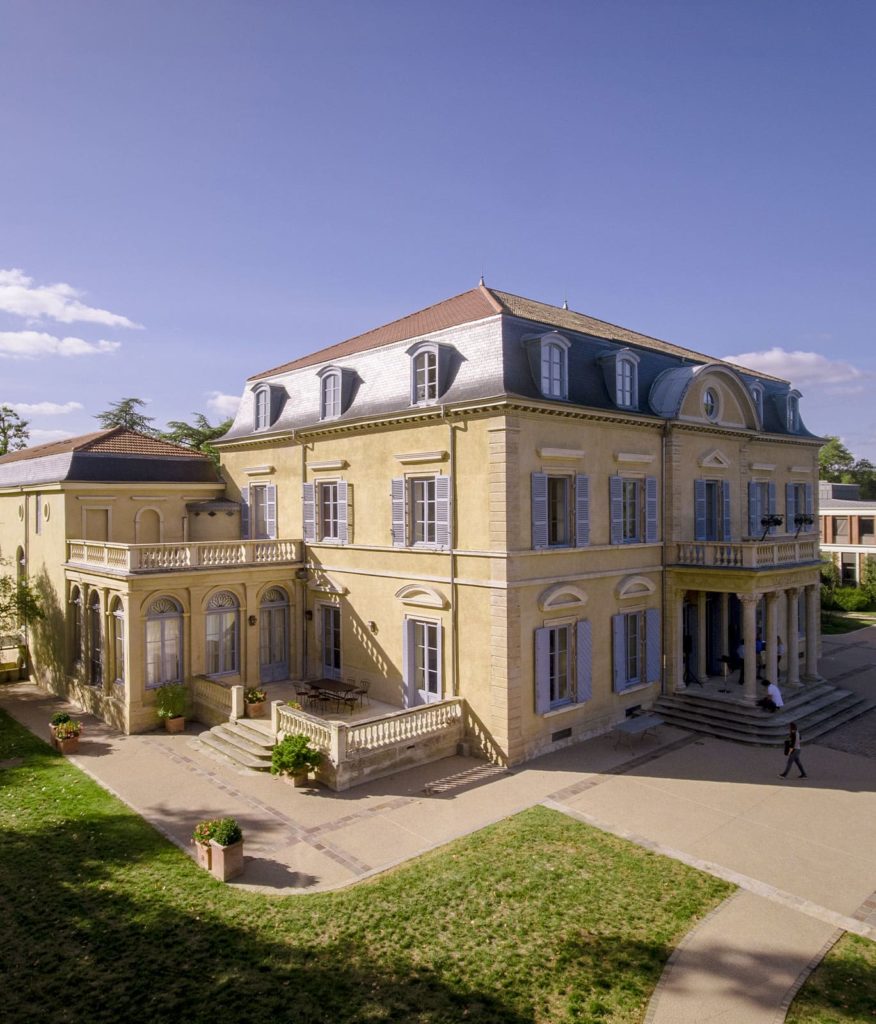
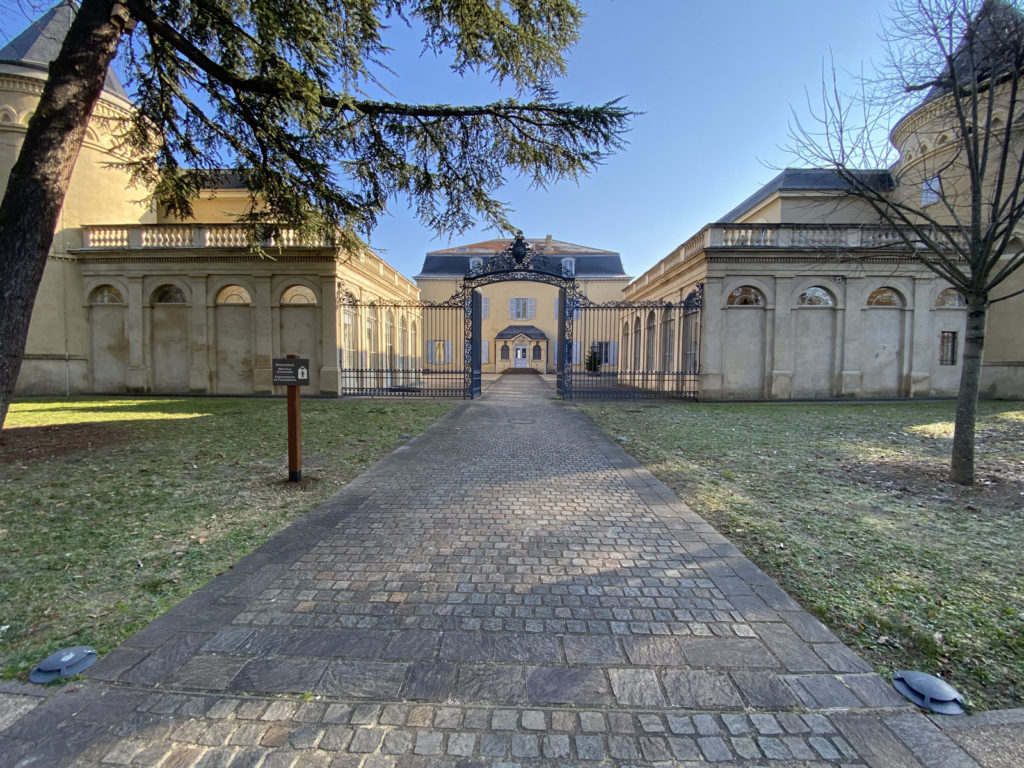
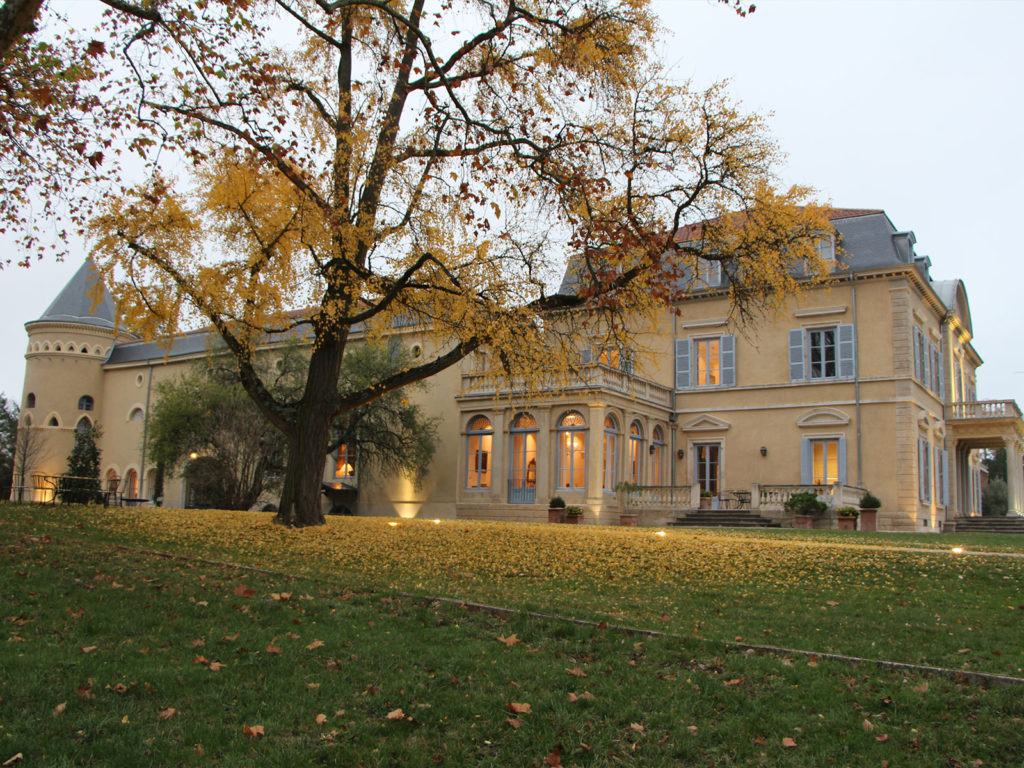
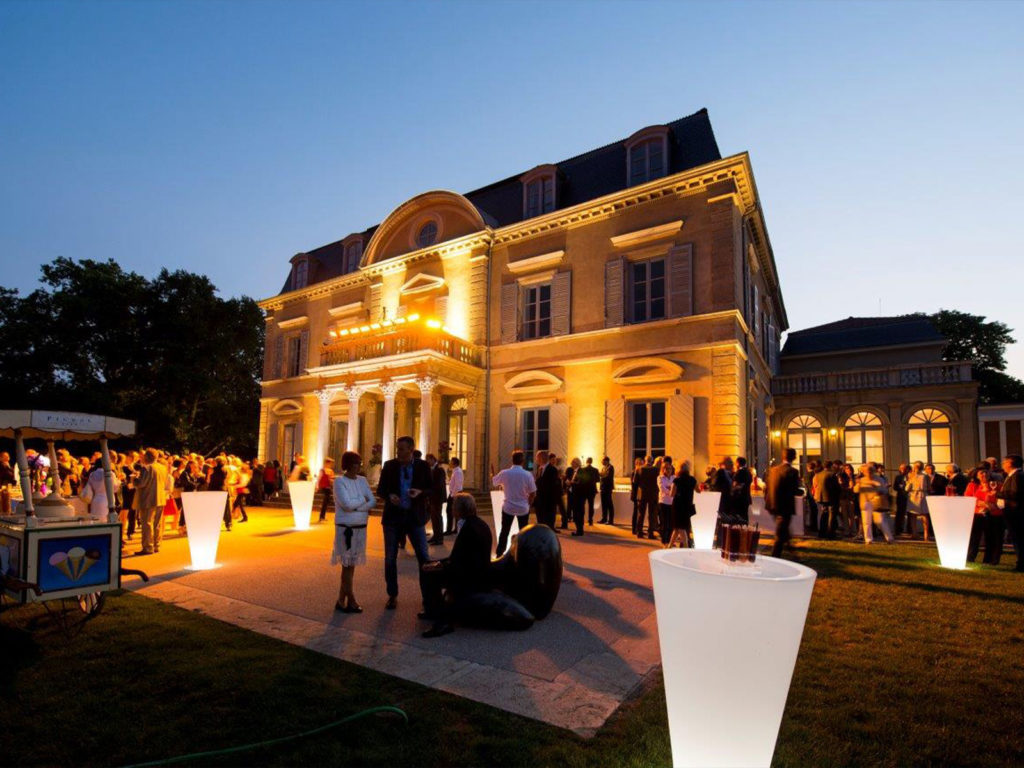
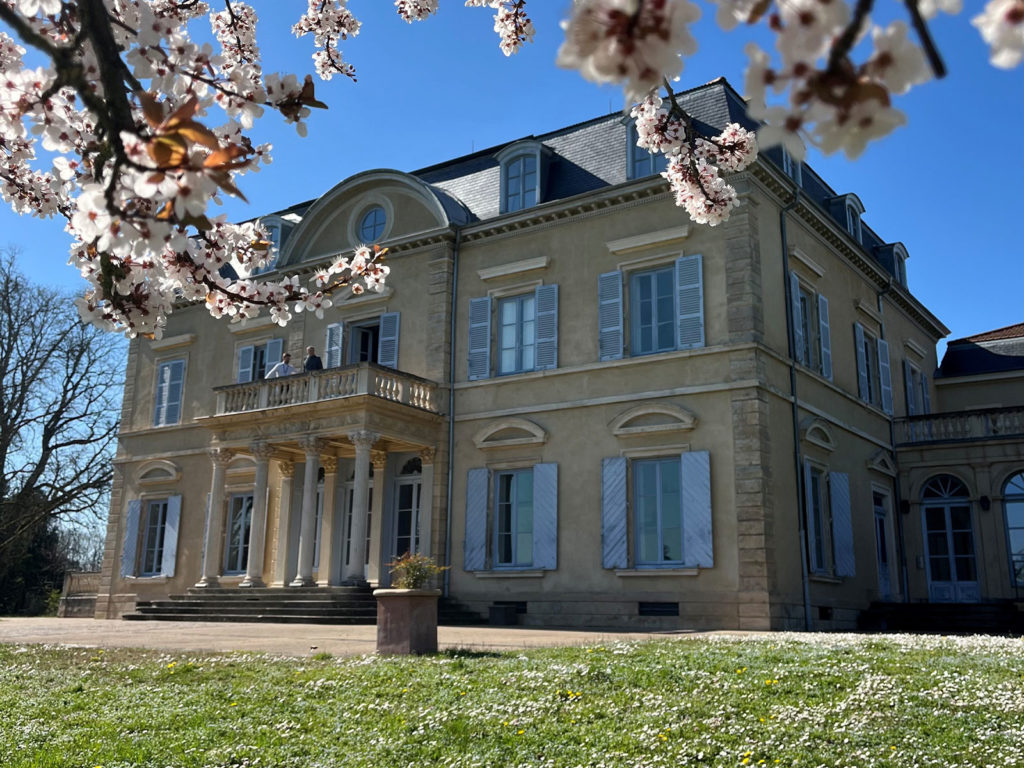
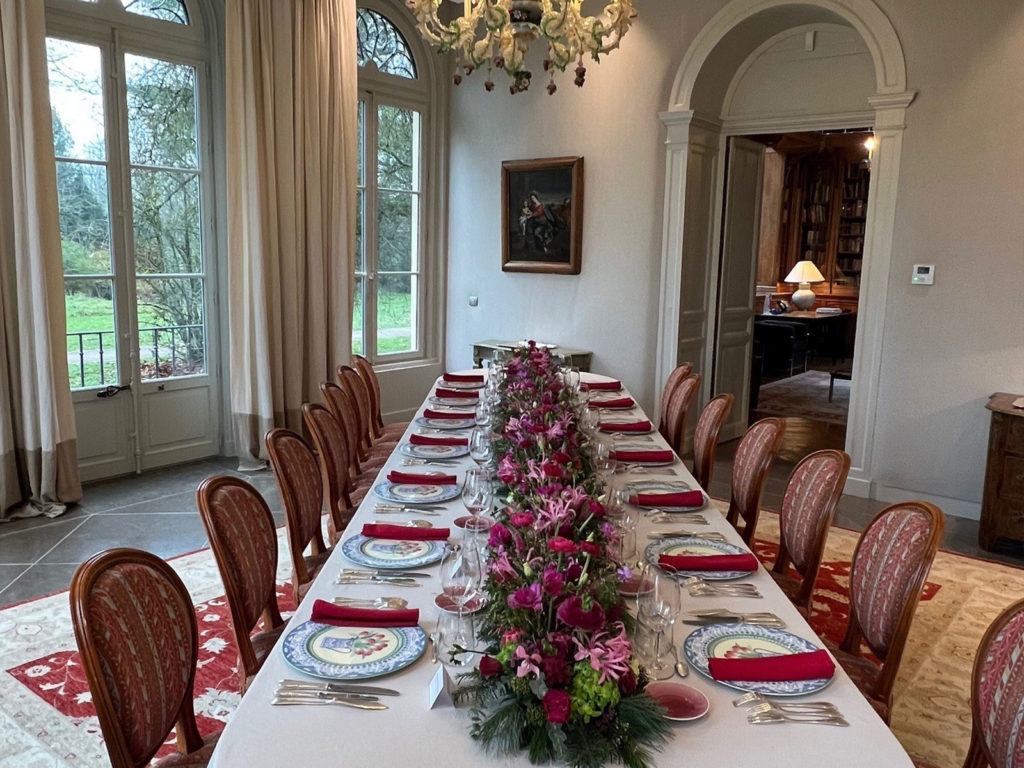
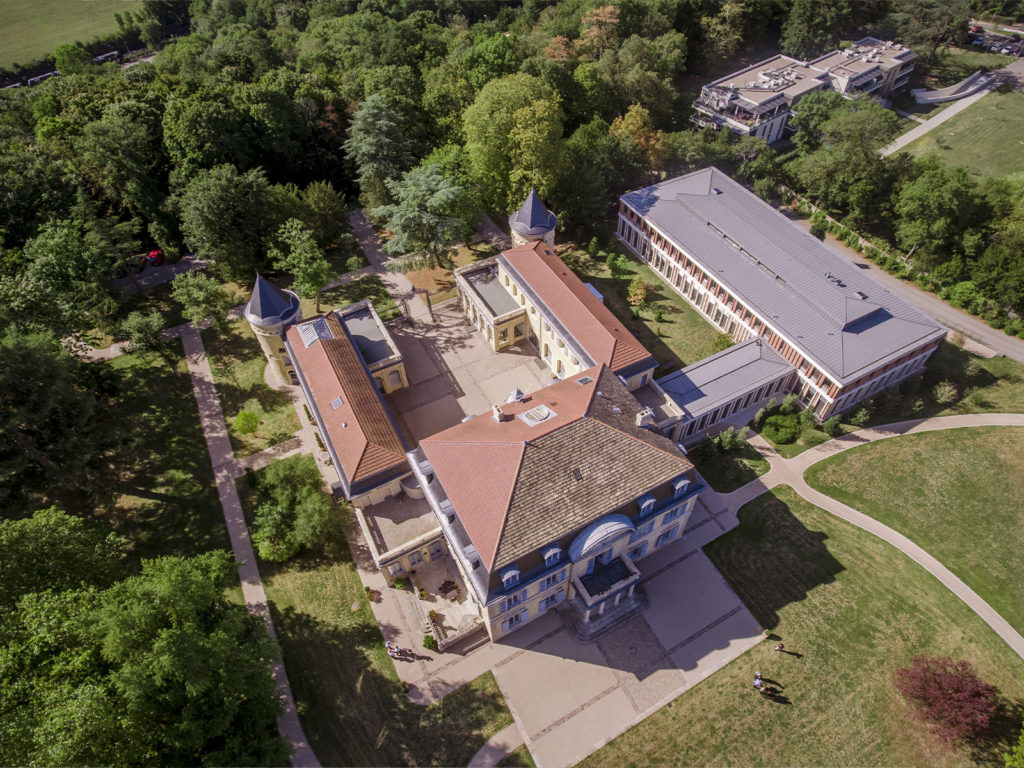
To accommodate his family, Paul Desgrand had the Mansion built in 1841 (date inscribed on the pediment). Built in a horseshoe shape around a courtyard enclosed by a gate and a monumental portal, it features 24 rooms across 400 m².
The Chapel
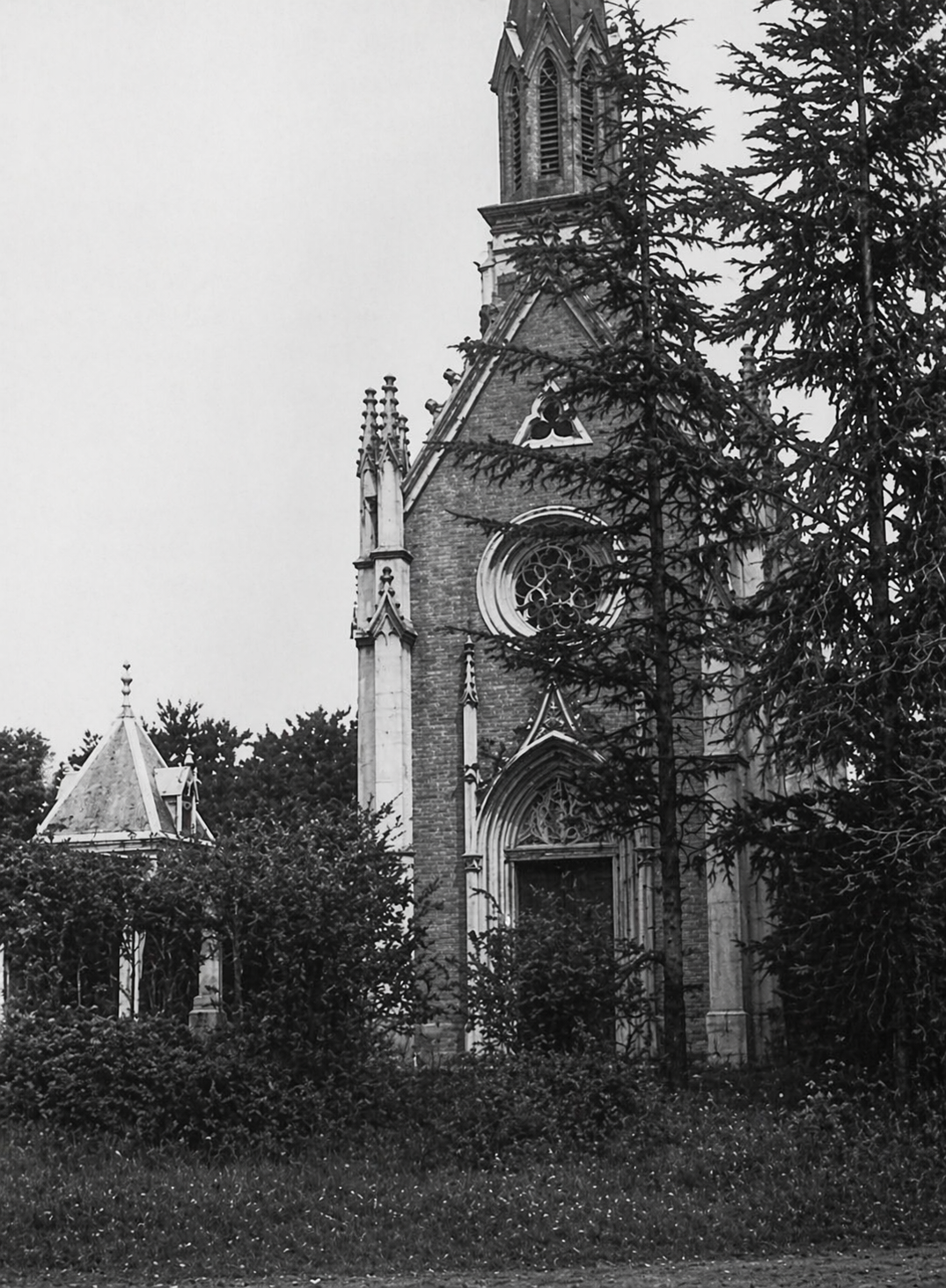
After the death of his 31-year-old daughter Sophie, Paul Desgrand had a chapel built in her memory in 1867. During the Second World War, Montcelard was successively occupied by German forces, the Milice, and then the Resistance fighters. The explosion of an ammunition depot severely damaged the chapel, which eventually disappeared entirely over time.
The Poor Clares Settle In
In 1952, a patron bought the estate and ceded it to the Poor Clare Sisters, who established their monastery there. They left Lyon for a quieter, more secluded place, living cloistered according to the Rule of Saint Clare. On the estate, they raised sheep and cultivated the old orchard.
Major Restoration
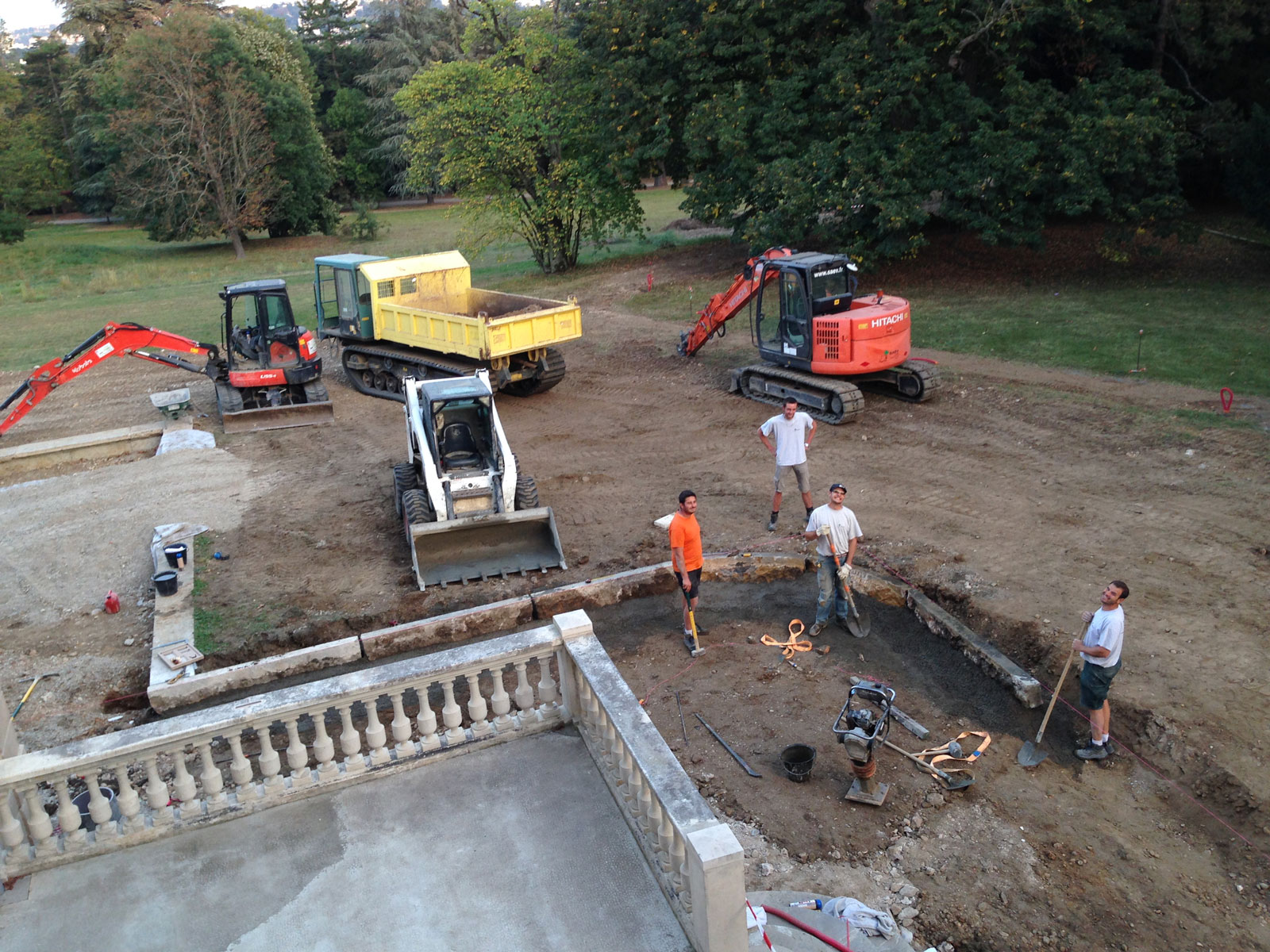
In 2011, the estate was acquired by Institut Mérieux and Habitat & Humanisme to foster social and economic activities in a preserved environment. Restructuring work began and lasted nearly two years. The estate reopened its doors in September 2013.
Site Inauguration
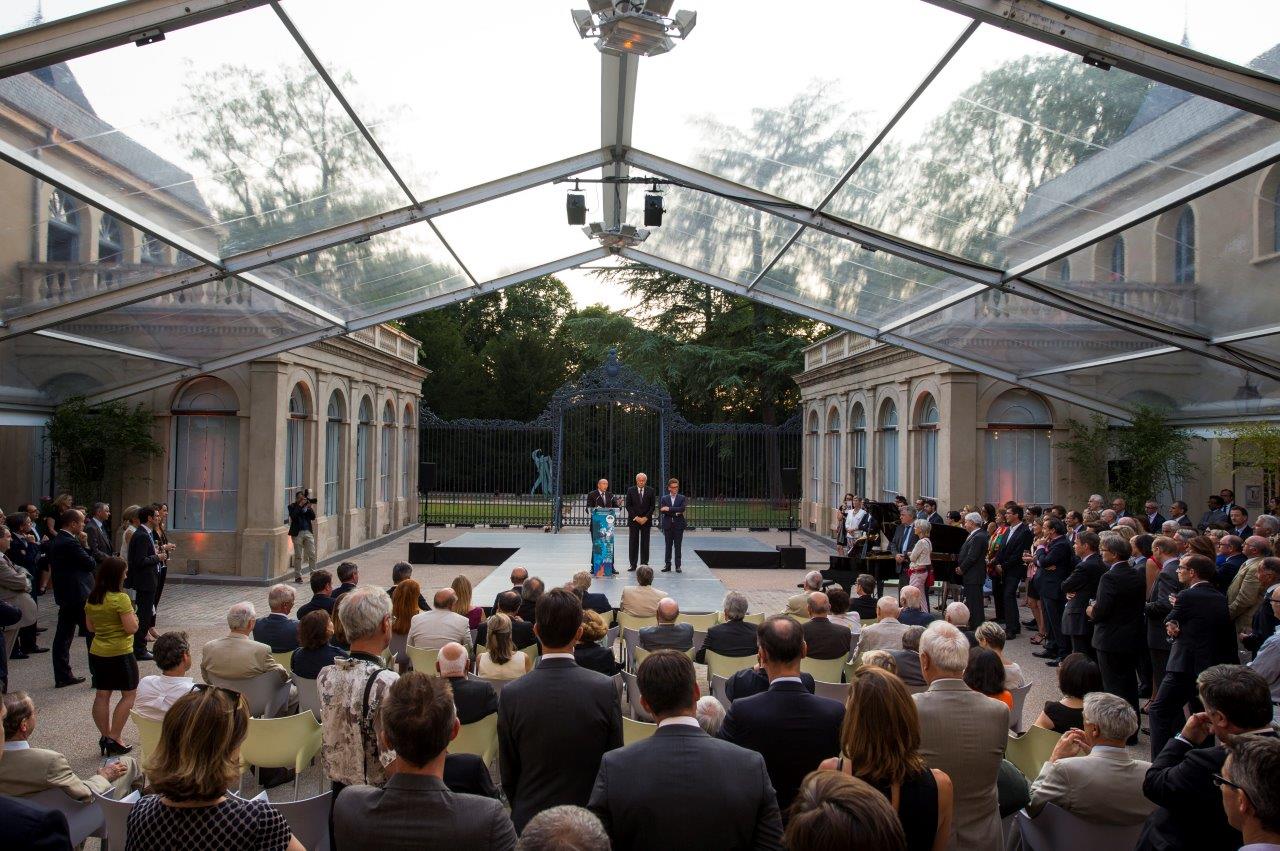
After its acquisition in 2011 by Institut Mérieux and Habitat & Humanisme, followed by nearly two years of restructuring, the estate fully regained its purpose and spirit. July 8, 2015, marked the official inauguration of this restored site, designed to bring together social and economic activities in a preserved environment.
A Vibrant Estate
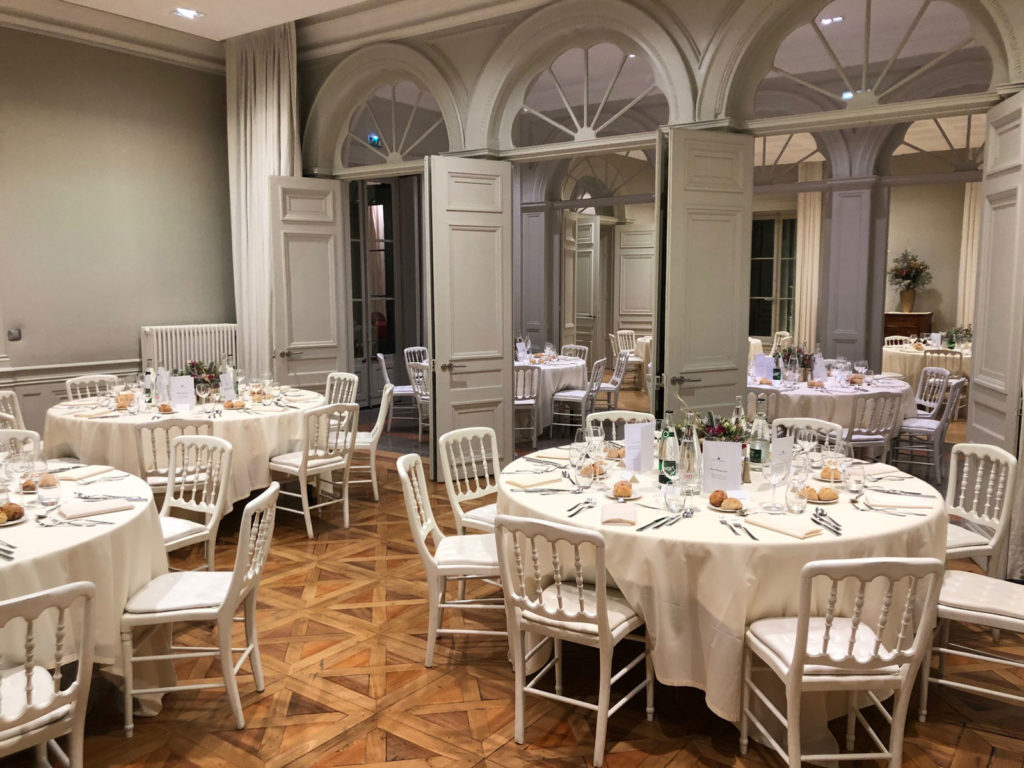
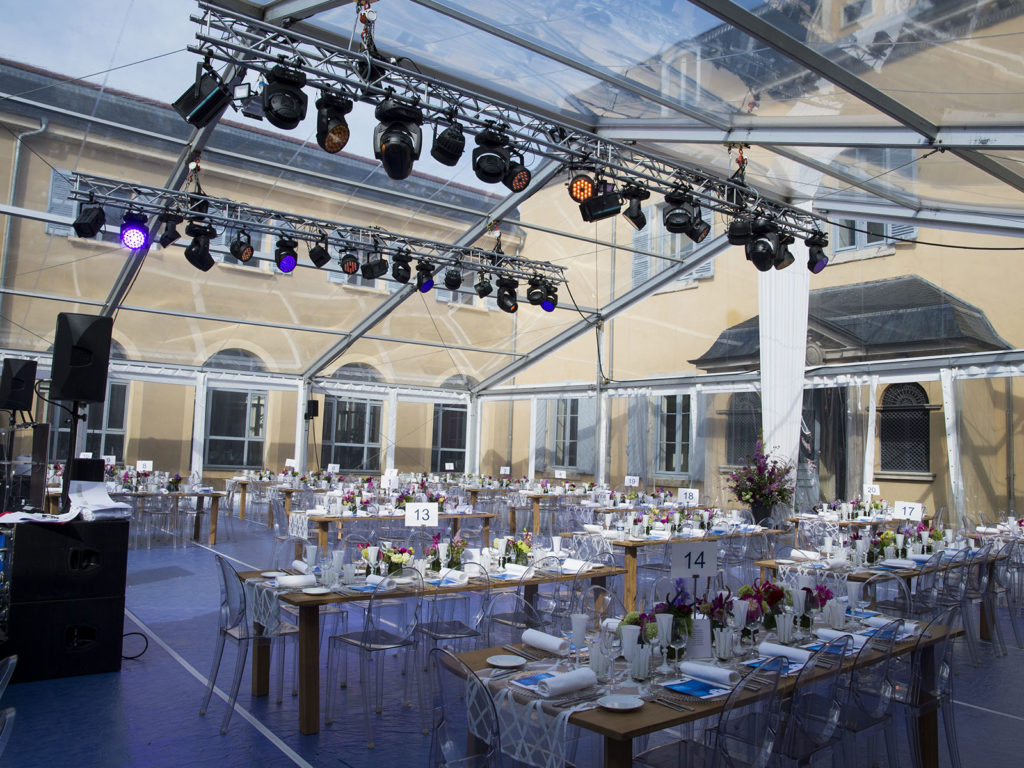
Today, the Montcelard estate brings together several activities and missions: a training center & event venue, and social activities, all within a preserved environment. The estate is open to businesses, with a clear ambition: to combine utility, transmission, and respect for the spirit of the place.
The Montcelard estate a place of history
The history of the Montcelard estate began in 1682, when Claude Guérin acquired the site and had a fortified house built, known as “Château Guérin.” For over a century, the estate remained primarily rural before undergoing a profound transformation in the 19th century, marked by the arrival of a visionary owner.
In 1830, silk merchant Paul Desgrand purchased the 31 hectares of the estate with the project of developing an exemplary agricultural and horticultural operation, intended to become a showcase for his professional success. To settle his family there, he had the Mansion erected in 1841, a vast horseshoe-shaped residence organized around an enclosed courtyard, comprising 24 rooms spread over 400 m². The South wing ends with a remarkable pavilion housing a billiard room, library, and cabinet of curiosities.
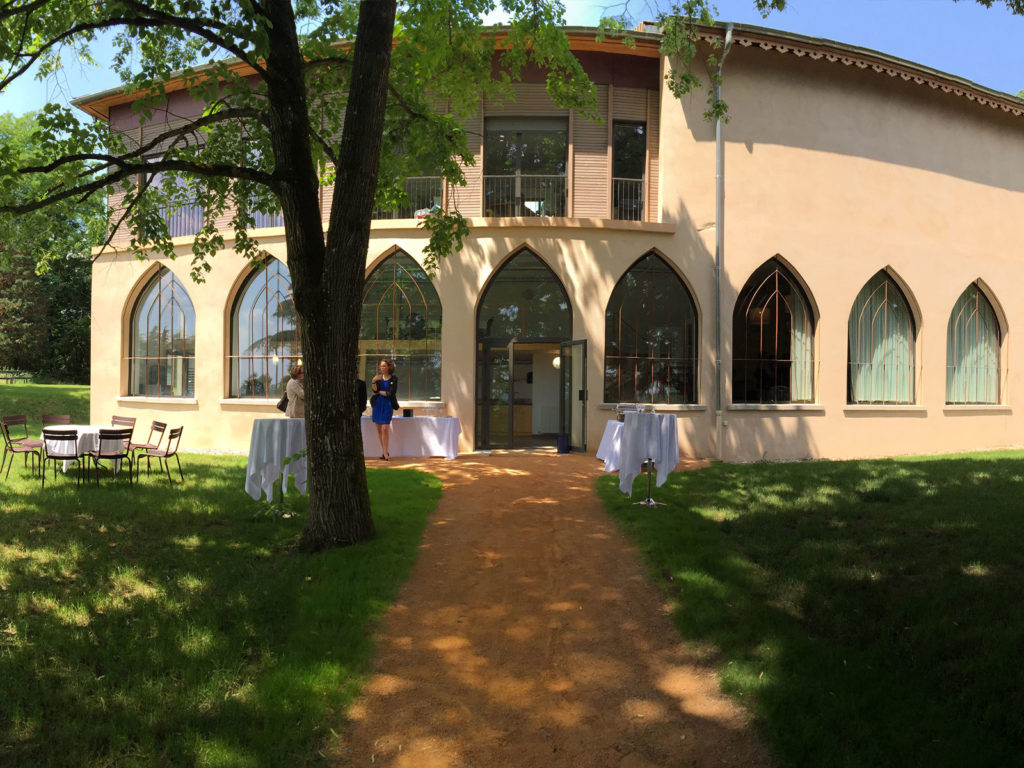
Although his wife’s fragile health forced Paul Desgrand to abandon agricultural exploitation, his passion for horticulture fully expressed itself at Montcelard. He had large heated greenhouses and an Orangery built, where gardeners and horticulturists cultivated orange trees, camellias, azaleas, and rhododendrons, even going so far as to create a rose bearing his name. The 20-hectare enclosed park was laid out as an English garden, adorned with paths, groves, water features, a lake, and rare trees. After the death of his 31-year-old daughter Sophie, he had a chapel built in her memory in 1867. At his death in 1878, Montcelard was then the largest and most beautiful property in the commune.
The estate then went through a period of decline in the 20th century, passing through the hands of Paul Desgrand’s descendants until 1939, then suffering damage from the Second World War before being progressively abandoned. In 1952, the Poor Clare Sisters settled there and brought the site back to life by founding their monastery, which they occupied until 2005. In 2011, Institut Mérieux and Habitat & Humanisme jointly acquired the estate with the ambition of preserving its soul and history while giving it a new purpose. After a major restoration campaign, the site reopened in 2013 and is today a place where heritage, innovation, economic activities, and social commitment coexist.
Discover the history of the Montcelard estate and some of its interior curiosities by downloading our brochure
The Winter Garden
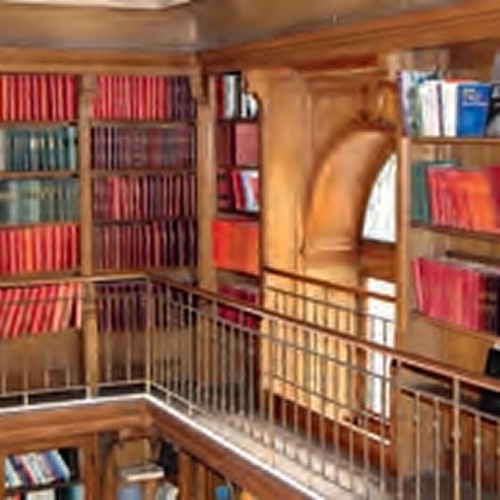
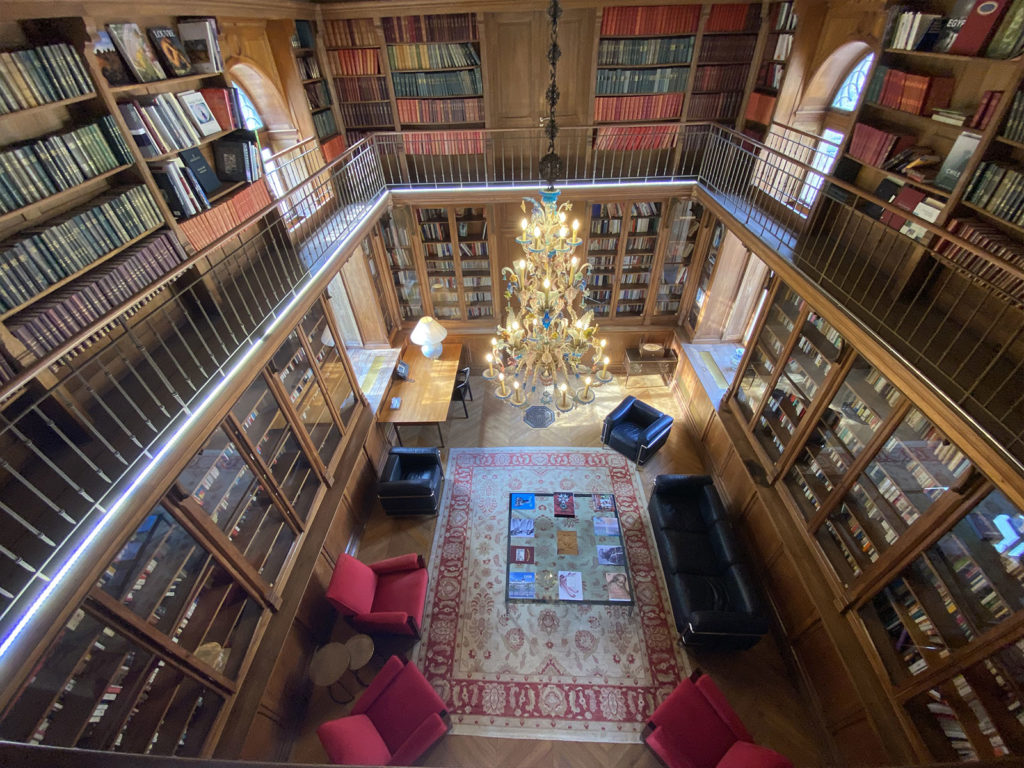
& the Wooden Library
A historic room dating from the construction of the Mansion.
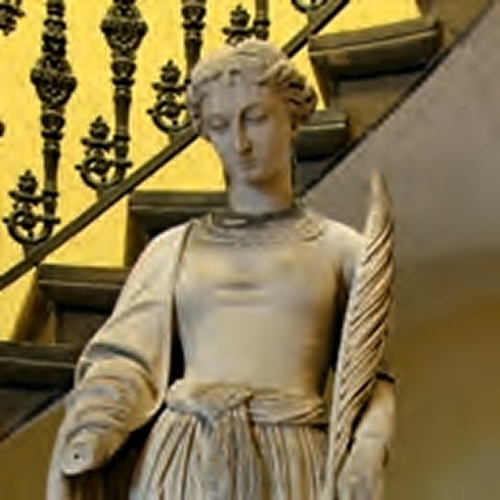
The Statue of Saint Philomena
Located at the foot of the staircase, this statue was originally in a niche outside the Poor Clares’ residential building.
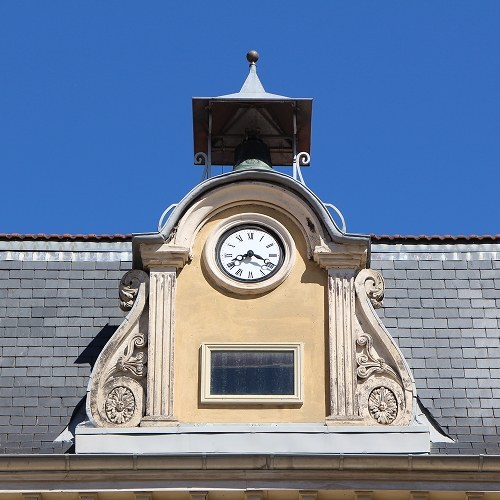
The Double-Faced Clock
The Collections Room
This room is believed to have housed Paul Desgrand’s cabinet of curiosities, made up of travel souvenirs.
For companies seeking a venue with strong values